
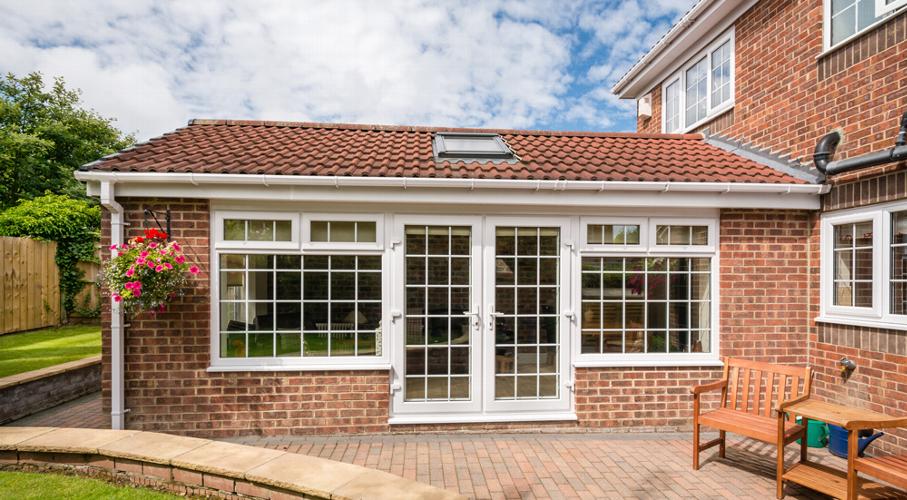
How Much Does a House Extension Cost in 2026?
If you are wondering how much does an extension cost in the UK in 2026, you are not alone. Most homeowners should expect to pay between £1,800 and £3,000 per square metre for a fully finished house extension, with premium or bespoke options pushing prices up to £3,500 per square metre or more.
With changing material prices and construction standards, predicting your home extension cost is vital for planning. In this comprehensive blog, we break down every aspect, including typical house extension prices, cost per square metre, regional variations, and what really drives costs up or down.
What is the Most Expensive Part of an Extension?
Before setting a budget, it's important to know where most of the money goes:
Structural Work
The foundation and any required steel beams for support typically form the biggest portion of the house extension budget.
Labour Costs
Skilled trades (like bricklayers and plasterers) have a significant impact, especially in busy regions where demand and costs are higher.
Glazing and Roofing
Features such as skylights, large bifold doors, or bespoke roofing can quickly escalate the home extension price.
Professional Fees
Engaging architects and structural engineers adds around 10–15% to overall extension costs, but it's essential for quality and compliance.
Site Preparation
Clearing, demolition, and making the site ready for building can come with hidden costs, particularly on more complex projects.
Understanding these high-cost drivers is the key to realistic budgeting and avoiding surprises during your home expansion.
How Much Does a Single Storey Extension Cost in 2026?
Single storey extensions are among the most popular choices for adding space. Typical UK prices for 2026 are:
Price Per Square Metre
Most single storey extensions will range from £1,800 to £3,000 per m² for a fully finished space.
Smaller Extensions (15–20 m²)
Expect to invest from £30,000 to £48,000, excluding VAT and additional fees.
Medium Extensions (25–30 m²)
These can cost between £50,000 and £81,000, depending on finishes and complexity.
Premium Builds
Top-end finishes or exclusive locations, especially in London or the South East, can cost £2,500–£4,000 per m² or more.
Additional Costs
Unless specified, prices generally exclude VAT, planning, and professional design fees.
Using these figures as your starting point prevents underestimating your project and helps guide your conversation with local professionals like Hadley Construction Ltd.
How Much Does a Double Storey Extension Cost in 2026?
Double storey house extensions offer more value per square metre because key elements like foundations and roofing are shared.
Cost Per Square Metre
For double storey extensions in 2026, expect £2,000, £3,200/m² (excluding VAT).
Typical Total Cost
A 60 m² two-storey extension could range from £120,000 to £195,000, depending on finishes and location.
Economies of Scale
Building up rather than out can deliver a better price-per-metre, provided your property allows for it.
Location Premiums
Greater London and the South East attract higher labour and materials rates.
Full Project Scope
Remember, costs rise with more complex project management or if planning consent is required.
Double storey extensions are perfect for those seeking maximum living space and an impressive transformation.
What Is the Cheapest Type of House Extension to Build in 2026?
If your objective is a budget-friendly house expansion, certain designs naturally cost less:
Side Extensions & Lean-Tos
Often less structurally demanding, these build types cost less per m².
Garage Conversions
Not technically a full extension, but repurposing a garage usually costs £8,500, £20,000.
Small Porches & Utility Areas
Simple, small-scale builds can be done from £6,000–£15,000+ based on finish.
Basic Designs
Straightforward rectangles with standard windows and rooflines are less expensive to build and finish.
Minimal Foundation Work
Choosing sites with even, well-drained ground minimises site prep and cost.
Selecting a simple, efficient design will always reduce overall home extension price, while still improving living standards.
What Factors Affect the Cost of a House Extension in 2026?
Everyone's project is different, and several variables determine what you will pay:
Size & Overall Square Metres
The bigger the extension, the more it costs overall.
Location
Local wage rates and material supply chains make projects in Cornwall priced differently to those in London.
Design Complexity
Features like curved walls or intricate roof shapes call for more specialist skills and time.
Ground Conditions
Challenging sites, such as sloping plots or poor soil, require additional groundwork.
Quality of Finish
High-end tiles, bespoke glazing, and premium materials quickly increase the home extension cost.
Professional & Planning Fees
Architect, engineer, and planning application fees usually add 10–15% on top, plus a contingency is wise.
Discussing these factors during your initial site meeting with a reputable builder, like Hadley Construction Ltd, sets clear expectations from day one.
Do I Need Planning Permission Before Budgeting for an Extension?
Before launching into a full design or budgeting for your house extension, it's important to clarify planning requirements. Many rear or side extensions fall inside Permitted Development limits, which means you might not need a formal planning application. However, larger or more complex projects nearly always need a full application, including architectural drawings and associated fees (from £2,000–£3,000+).
Always check early with your builder and local authority to avoid delays and extra costs down the line.
Is a House Extension Worth the Investment in 2026?
For many, extending is often more cost-effective than moving, particularly when factoring in stamp duty, estate agent fees, and the upheaval involved in relocating. The value added by a high-quality extension depends on your local property market, with areas like Cornwall and Devon seeing strong demand for increased, modern family space. According to recent Rightmove data, UK house prices per square metre continue to rise, meaning well-designed kitchen-diners or extra bedrooms typically attract strong buyer interest and enhance resale value.
Which Type of Extension Adds the Most Value to a Property?
Not all house expansions deliver the same financial boost. Here's what to consider:
Kitchen/Diner Extensions
Large, open-plan kitchens remain a top priority for modern buyers, adding both wow-factor and value.
Double Storey Extensions
These enable extra bedrooms above, which are ideal for family homes and attract strong returns.
Loft Conversions
While not always “extensions” in the classic sense, these add functional bedrooms or studies at relatively low cost.
Side Return Expansions
For Victorian or Edwardian terraces, side returns transform smaller homes into spacious properties.
Adapted Living Spaces
Utility rooms, home offices, or flexible open-plan areas improve day-to-day liveability and appeal to a broad market.
Investing in the spaces buyers most covet ensures you reap the maximum benefit if you ever decide to sell.
How Does Build Time Impact Overall Extension Costs?
The longer your extension takes to build, the more you pay in labour and hidden project management fees.
Prolonged Labour
Delays in any phase of the work increase day-rate charges for skilled trades.
Disruption Costs
Living in, or temporarily moving out during works, adds indirect costs which should not be overlooked.
Weather & Material Delays
UK weather can frequently hold up work, particularly for external structural tasks or roof completion.
Project Scheduling
Efficiently scheduled works, backed by experienced teams like Hadley Construction Ltd, streamline progress and hold down costs.
Fixed-Price Contracts
Agree these where possible to limit the knock-on impact of overruns or unexpected hitches.
Understanding time-to-build helps you plan your budget, living arrangements, and contingency buffer sensibly.
How Can I Reduce the Cost of a House Extension in 2026?
It's absolutely possible to achieve house extension goals and control costs, with careful planning:
Choose Simpler Designs
Symmetrical, rectangular layouts are quicker, require less specialist labour, and commonly cost less per m².
Request Multiple Quotes
Comparing estimates uncovers fair market value. Hadley Construction Ltd is always ready to offer detailed, fixed price quotes.
Opt for Mid-Range Finishes
Striking the right balance between quality and affordability helps manage the overall home extension price.
Minimise Plumbing and Electrical Relocations
Leaving kitchens and bathrooms where they are avoids expensive rerouting.
Maximise Permitted Development
Stay within these rules to avoid planning application delays and additional costs.
Work with Local Experts
Engage construction teams from your area who understand regional suppliers and regulations.
Planning early and getting professional insight means your extension budget works harder for you.
Choose Hadley Construction Ltd for Your Cornwall Extension
Ready to turn your dream extension into a reality in Cornwall or Devon? With decades of experience, a reputation for quality, and commitment to customer satisfaction, Hadley Construction Ltd delivers projects on time and on budget.