
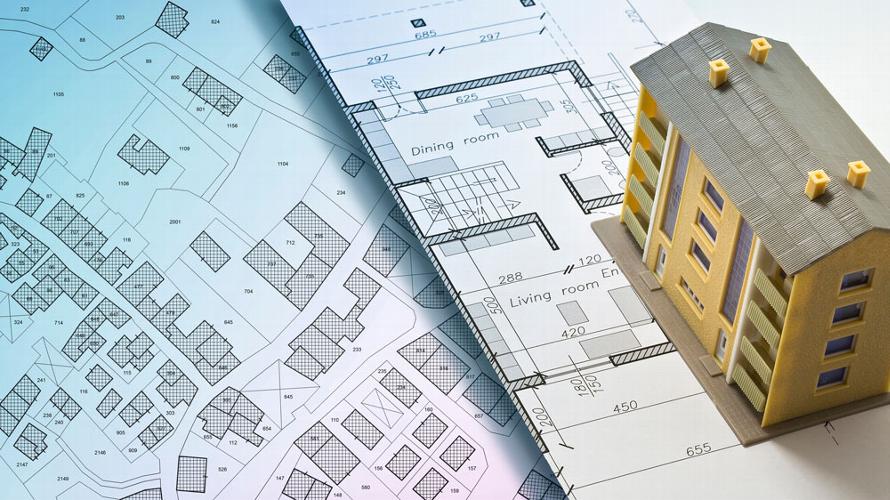
Do I Need Planning Permission for a House Extension?
In the UK, some house extensions can be built without planning permission under Permitted Development Rights. These rules allow homeowners to carry out certain improvements without submitting a full planning application. However, larger extensions, properties in protected areas, or extensions that significantly affect neighbours will usually require approval from the local planning authority.
Understanding planning regulations early in the process is essential. Building an extension without the correct permissions can lead to enforcement action, costly delays, or even the requirement to remove the extension entirely. This guide explains when planning permission is required for a house extension, when it may not be necessary, and how to navigate the application process successfully.
What Is Planning Permission?
Planning permission is formal approval granted by a local planning authority allowing building work or land development to take place.
What Does Planning Permission Mean For House Extensions?
For house extensions, planning permission confirms that the proposed development complies with local planning policies and building regulations.
Planning authorities review proposals to ensure that:
- The extension is appropriate for the surrounding area
- The design is in keeping with neighbouring properties
- The development does not negatively impact nearby homes
- Environmental and infrastructure considerations are addressed
Local councils are responsible for protecting the character of communities while allowing appropriate development. This is why planning authorities carefully assess house extensions before granting approval.
Why Planning Permission Is Important
Planning permission helps ensure that developments are safe, visually appropriate, and considerate of the wider community.
Without planning controls, extensions could create issues such as:
- Overshadowing neighbouring homes
- Blocking natural light
- Causing privacy concerns
- Creating visual disruption within residential areas
For homeowners asking “Do I need planning permission for a house extension?”, understanding these regulations helps ensure the project is compliant from the start.
Factors That Affect Whether You Need Planning Permission for a House Extension
Whether planning permission is required depends on a combination of factors related to the property, the extension design, and the potential impact on the surrounding area.
Size Of The Extension
The size and scale of the proposed extension are among the most important factors planning authorities consider.
Smaller extensions may fall within Permitted Development Rights, meaning planning permission is not required. However, these rules have strict size limitations.
Typical permitted development guidelines include:
- Rear extensions up to 3 metres for terraced and semi detached houses
- Rear extensions up to 4 metres for detached houses
- Extensions must usually be no higher than 4 metres
- The extension must not extend beyond the highest part of the existing roof
There are also limits on how much land around the property can be covered by new structures.
If an extension exceeds these limits, planning permission will normally be required before construction begins.
Location Of The Property
The location of your home can significantly affect planning requirements.
Properties located in designated or protected areas often face stricter planning controls to preserve the character of the landscape or historic environment.
These areas commonly include:
- Conservation areas
- National Parks
- Areas of Outstanding Natural Beauty
- World Heritage Sites
In these locations, even relatively small extensions may require planning permission.
Local authorities may also restrict certain design features, materials, or extension sizes in order to maintain the area's appearance.
Impact On Neighbours
Planning authorities carefully consider how an extension could affect neighbouring properties.
One of the primary roles of planning regulations is to ensure that development does not negatively impact nearby residents.
Councils often assess factors such as:
- Loss of natural daylight to neighbouring homes
- Overlooking windows or private garden areas
- Overshadowing caused by large extensions
- The visual dominance of a large structure near property boundaries
If an extension significantly affects neighbours, planning permission is more likely to be required even if the extension is relatively modest in size.
Environmental impact
Environmental considerations can also influence planning decisions for house extensions.
Planning authorities may review environmental factors including:
- Flood risk and drainage capacity
- Impact on protected trees or wildlife habitats
- Energy efficiency and sustainability considerations
- Changes to natural landscape features
In some cases, environmental assessments may be required before planning approval is granted.
Can I Put an Extension on My House Without Planning Permission?
Yes, many homeowners can build an extension without planning permission if the project meets Permitted Development Rights.
What Are Permitted Development Rights?
Permitted Development Rights allow certain building works to be carried out without submitting a full planning application.
These rights are designed to simplify smaller home improvements while maintaining clear limits on development. To qualify, the extension must meet specific criteria.
Typical permitted development conditions include:
- The extension must not cover more than 50 percent of the land around the original house
- Materials should be similar in appearance to the existing property
- The extension must not extend beyond the principal elevation facing the road
- Side extensions must usually be single storey
- Upper floor extensions must meet strict distance and height limits
Because these rules are detailed and sometimes complex, homeowners often seek professional advice before beginning construction.
When Permitted Development Does Not Apply
Permitted development rights can be restricted or removed in certain situations.
This often applies to:
- Listed buildings
- Properties in conservation areas
- Homes that have already been significantly extended
- Properties where planning conditions removed permitted development rights
If permitted development rights do not apply, a full planning application will be required.
When You MUST Get Planning Permission for a House Extension
Planning permission is required when a proposed extension exceeds permitted development limits or affects protected properties or areas.
Situations Where Planning Permission Is Usually Required
You will typically need planning permission if your extension involves:
- A two storey extension
- A large rear extension exceeding permitted development limits
- A front extension facing the road
- Significant structural alterations to the property
- Development within a conservation area or protected location
Large projects such as wraparound extensions, double storey side extensions, or significant structural alterations almost always require planning permission.
Understanding these scenarios can help homeowners determine early on whether approval will be required.
Extensions on Listed Buildings
Listed buildings are protected properties with historical or architectural significance.
Listed Building Consent Requirements
If your property is listed, you will almost always need permission before building an extension.
Listed buildings require Listed Building Consent, which is separate from standard planning permission.
Local planning authorities carefully assess:
Whether the extension preserves the building's historic character
- The materials used in construction
- The design compatibility with the original structure
- The visibility of the extension from public viewpoints
Because the regulations are strict, working with experienced architects and builders is essential when extending a listed property.
What Happens If You Build an Extension Without Planning Permission?
Building an extension without the required planning permission can lead to enforcement action from your local council.
Enforcement Notices And Legal Consequences
If unauthorised work is discovered, the council may issue an enforcement notice requiring the homeowner to take corrective action.
Possible outcomes include:
- Modifying the extension to meet planning requirements
- Submitting a retrospective planning application
- Removing the extension entirely
Failure to comply with enforcement notices can result in further legal action or financial penalties.
Retrospective planning permission for House Extensions
In some situations, homeowners may apply for retrospective planning permission after construction has already begun or been completed.
However, there is no guarantee that this application will be approved.
If retrospective permission is refused, the council may still require the extension to be altered or removed.
How to Apply for Planning Permission
Applying for planning permission involves submitting a detailed application to your local planning authority.
The Planning Application Process
Most planning applications follow a structured process.
This typically includes:
- Preparing architectural drawings and extension plans
- Completing the planning application through the Planning Portal
- Submitting supporting documents such as design statements
- Paying the required planning application fee
- Waiting for the council's decision
Local authorities often consult neighbouring properties during the review process.
How Long Does Planning Permission Take for a House Extension?
Planning permission decisions for house extensions are typically made within eight weeks.
Typical Planning Decision Timeframes
For most house extensions, councils aim to make a decision within 8 weeks of receiving a valid application.
However, the timeframe can vary depending on:
- The complexity of the extension design
- Local council workload
- Objections from neighbours
- Additional environmental or heritage assessments
More complex proposals may take 10 to 12 weeks or longer.
What Happens If My Extension Plans Are Rejected?
If planning permission for your extension is refused, the project may still be possible with adjustments.
Options After Planning Refusal
Homeowners have several options after a planning refusal.
These include:
- Revising the design to address planning concerns
- Submitting a new planning application
- Appealing the decision through the Planning Inspectorate
Common design changes that improve approval chances include reducing extension size, adjusting window placement, or altering materials.
Planning a House Extension in Cornwall?
Planning regulations can be complex, which is why many homeowners seek professional support when extending their property.
Speak To Hadley Construction About Your Home Extension
If you are planning an extension and asking “Do I need planning permission for a house extension?”, the team at Hadley Construction can help guide you through every stage of the process.
With extensive experience delivering high quality home extensions across Cornwall, we support homeowners with:
- Extension planning and design guidance
- Advice on planning permission requirements
- Professional construction and project management
- High quality extensions built to last
Whether you are considering a rear extension, kitchen extension, or full home expansion, Hadley Construction can help turn your ideas into reality.
Contact Hadley Construction today to discuss your home extension project in Cornwall and receive expert advice on planning permission and construction.
Our Home Extensions Contact Us